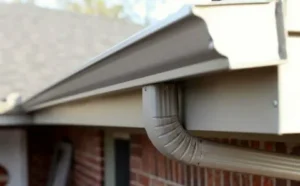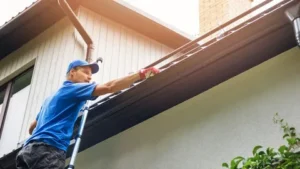

Learn about new gutter install service in Columbia, SC, including gutter types, sizing, drainage, installation, maintenance, costs, and common mistakes.
A home’s gutter system plays an important role in directing rainwater away from the roof, walls, foundation, and landscaping. When gutters are missing, damaged, or poorly designed, water can collect in places where it may cause long-term problems. A WW Gutters can provide a properly planned drainage system that fits the roof and property.
For homeowners in Columbia, SC, local weather conditions make reliable water management especially important. Heavy rain can quickly expose problems with undersized gutters, poor slopes, clogged downspouts, or weak connections.
Choosing the right gutter material, size, placement, and downspout configuration can help the system manage runoff more effectively.
Why a New Gutter System Matters
Gutters collect water from the roof and direct it toward designated discharge points. Without an effective system, water can fall directly beside the foundation or run down exterior walls.
Properly installed gutters can help:
- Direct roof runoff away from the foundation
- Reduce soil erosion around the home
- Protect landscaping from concentrated water flow
- Limit water exposure around exterior walls
- Reduce staining caused by uncontrolled runoff
- Protect areas around doors and walkways
- Improve overall roof drainage
Gutters cannot prevent every water problem. Proper grading, drainage systems, flashing, roofing, and foundation maintenance also contribute to effective water management.
Choosing the Right Gutter Material
Homeowners can choose from several gutter materials. Each option has different characteristics related to durability, appearance, maintenance, and cost.
Common choices include:
- Aluminum: Lightweight, corrosion-resistant, and widely used for residential applications.
- Steel: Strong and durable but may require more attention to corrosion.
- Copper: Long-lasting and distinctive, but generally costs more.
- Vinyl: Lightweight and resistant to rust, though it can become brittle with age or temperature changes.
The best choice depends on the home’s design, local conditions, budget, and expected service life.
Understanding Gutter Sizing and Drainage
Gutter size should match the amount of water the roof can collect. A large roof area, steep roof pitch, or high rainfall can increase the amount of water entering the system.
Downspouts also matter. Even properly sized gutters can overflow if downspouts cannot move water away quickly enough.
Before installation, consider:
- Roof size and configuration
- Roof pitch
- Number and placement of valleys
- Local rainfall patterns
- Gutter dimensions
- Downspout size
- Downspout locations
- Ground drainage conditions
A good design considers the complete path from the roof to the final discharge point.
Planning a New Gutter Install Service
A new gutter install service in Columbia, SC should begin with an evaluation of the roofline and existing drainage conditions. Installers need to determine where gutters should run, where downspouts should sit, and how water will leave the property.
What to Review Before Gutter Installation
Before work begins, homeowners should discuss:
- Which roof sections require gutters?
- Where should downspouts discharge water?
- Are existing drainage problems already present?
- What gutter material and size fit the property?
- How will corners and roof valleys be handled?
- Are gutter guards appropriate?
- How will the system be maintained?
Good planning reduces the chance of creating a system that looks correct but cannot handle heavy runoff.
Gutter Installation Near Me: What to Check
When homeowners search for gutter installation near me in Camden, SC , they should evaluate more than location. The installation process and system design have a major effect on long-term performance.
Look for a provider that can explain:
- Gutter material options
- Recommended gutter size
- Downspout placement
- How the system handles roof valleys
- Installation methods
- Maintenance requirements
- Expected project scope
A clear explanation is especially useful when comparing estimates because two companies may recommend different systems for the same property.
Common Gutter Installation Mistakes
Several problems can reduce gutter performance.
Incorrect Slope
Gutters need a slight slope toward their downspouts. Too little slope can cause standing water, while excessive slope can affect appearance and drainage.
Too Few Downspouts
A long gutter run with insufficient downspouts may struggle during heavy rainfall. Downspout placement should reflect the roof’s drainage needs.
Poor Discharge Locations
Water should not simply be dumped next to the foundation. Downspouts may need extensions or other drainage solutions to move water farther from the structure.
Ignoring Roof Valleys
Roof valleys can concentrate large amounts of runoff. These areas need careful planning to prevent overflow.
Choosing Only by Price
The lowest estimate may not include the same materials, gutter size, downspouts, preparation, or finishing details as another proposal.
Best Practices for New Gutters
A few practical habits can improve gutter performance.
Keep the roof drainage path clear. Remove leaves, branches, and debris that could enter the system.
Use appropriate downspout extensions. Move discharged water away from the foundation when necessary.
Inspect connections. Check corners, seams, hangers, and outlets for signs of movement or leakage.
Watch during heavy rain. Observe where water flows and look for overflow or pooling.
Keep nearby trees maintained. Overhanging branches can increase debris and gutter maintenance.
Consider gutter guards carefully. Guards can reduce debris entry but still require inspection and maintenance.
Affordable Gutter Services Without Cutting Corners
Homeowners looking for affordable gutter services should focus on overall value rather than choosing the lowest upfront price.
A cost-effective gutter project should include the right materials, adequate downspouts, secure attachment, proper slope, and suitable drainage. Spending less on installation can become expensive if the system frequently leaks, overflows, or requires early replacement.
Ask for a detailed estimate that identifies the materials, dimensions, downspouts, installation work, and any additional drainage components.
Actionable Tips for Columbia Homeowners
Before installing new gutters:
- Walk around the home during rainfall if possible.
- Look for areas where roof water lands directly beside the foundation.
- Check for soil erosion below roof edges.
- Identify roof valleys that concentrate runoff.
- Measure long roof sections where overflow could occur.
- Review existing downspout locations.
- Decide where discharged water should go.
- Compare materials based on durability and maintenance.
- Ask for a written project scope.
- Plan for regular inspections after installation.
Conclusion
A well-planned new gutter install service can improve how a Columbia, SC home manages roof runoff and helps direct water away from vulnerable areas. The right gutter size, material, slope, downspout layout, and discharge location all contribute to reliable drainage.
Homeowners comparing gutter installation near me should look beyond the installation price and consider the complete drainage design. With proper planning, regular inspection, and practical maintenance, a new gutter system can provide dependable water management for years.
FAQ
How do I know if my home needs new gutters?
Signs include frequent leaks, sagging sections, overflowing during rain, rust or cracks, separated joints, and water collecting near the foundation. Severely damaged gutters may cost more to repair than replace.
What gutter material is best for a home?
Aluminum is a common residential choice because it is lightweight and corrosion-resistant. However, steel, copper, and vinyl may also suit certain homes depending on budget, appearance, and durability requirements.
How far should downspouts direct water from the house?
The appropriate distance depends on the property’s grading and drainage conditions. The goal is to prevent concentrated roof runoff from collecting directly beside the foundation.
Do new gutters need gutter guards?
Not always. Gutter guards can reduce the amount of leaves and debris entering the system, but they do not eliminate the need for inspections and maintenance.
How often should new gutters be inspected?
Inspect gutters at least periodically and after severe weather. Homes surrounded by trees may require more frequent checks to prevent debris buildup and drainage problems.