Rainwater can cause problems around your home when it does not drain properly. Without a dependable gutter system, water can collect near your foundation, damage landscaping, and affect exterior surfaces. Over time, poor drainage may also lead to costly repairs. Therefore, choosing the right gutter system plays an important role in protecting your property.
Homeowners in Lexington, SC, experience different weather conditions throughout the year. Heavy rainfall makes proper water management especially important. A well-designed gutter system collects rainwater and directs it away from vulnerable areas. As a result, your home receives better protection during wet weather.
A reliable new gutter install can improve drainage while supporting your property’s long-term condition. However, choosing the right materials, size, and placement requires careful planning. WW Gutters helps property owners understand their gutter needs and make informed decisions about their drainage systems.
Whether you own a small house or a larger commercial property, properly installed gutters offer practical benefits. Furthermore, regular maintenance helps keep the system working as intended. Understanding these factors can help you make better decisions about protecting your investment.
Why Proper Gutters Matter for Your Home
Gutters do more than collect rainwater from your roof. They help control where water flows after it leaves the roofline. Without proper drainage, rainwater can fall directly beside your foundation. Consequently, repeated exposure may contribute to soil erosion and moisture problems.
A properly designed system collects runoff and carries it toward suitable drainage areas. This reduces unnecessary water exposure around your property. Moreover, functional gutters help protect siding, walkways, landscaping, and exterior structures.
Protecting Your Foundation From Water Damage
Your foundation supports the entire structure of your home. Therefore, keeping excess water away from its base should remain a priority. When rainwater repeatedly collects around the foundation, it can increase soil moisture and create drainage concerns.
However, gutters work best when they connect with suitable downspouts and drainage paths. Simply collecting water is not enough. The system must also move it away from vulnerable areas.
Homeowners should consider several factors:
- Roof size and shape determine how much rainwater enters the gutters.
- Proper gutter placement helps collect runoff efficiently.
- Downspout locations influence where water leaves the system.
- Suitable extensions help direct water farther from the foundation.
- Regular inspections help identify drainage problems early.
Additionally, homeowners should watch for standing water near exterior walls. These signs may indicate that the current drainage setup needs attention.
When to Consider a New Gutter Install
Older gutter systems may struggle to manage rainwater effectively. Rust, loose fasteners, sagging sections, and recurring leaks can reduce their performance. Although some problems require simple repairs, extensive damage may justify a complete replacement.
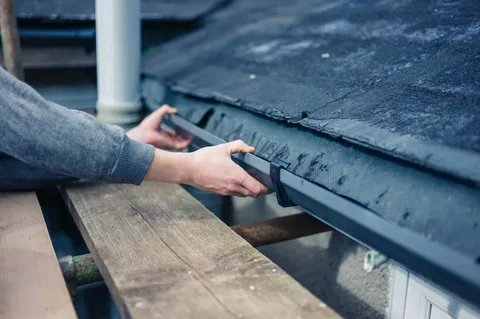
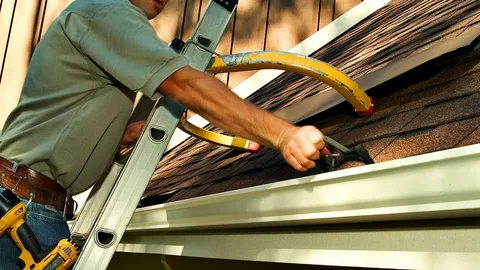
A professional new gutter install provides an opportunity to address existing drainage issues. It also allows property owners to choose materials and designs that better suit their roofs.
Signs Your Existing Gutters Need Attention
Before choosing replacement gutters, inspect the entire system. Look for visible damage and consider how the gutters perform during rainfall. Furthermore, pay attention to problems that return after repeated repairs.
Here are five practical signs to consider:
- Frequent leaks: Water escaping through joints or damaged sections may indicate deterioration.
- Sagging gutters: Loose supports can prevent water from flowing toward downspouts.
- Visible rust: Corrosion can weaken metal gutters and create holes.
- Overflowing water: Gutters may have blockages, poor positioning, or insufficient capacity.
- Foundation moisture: Water collecting near the house may suggest ineffective drainage.
However, not every issue requires full replacement. A qualified professional can assess the system and explain suitable options.
If several sections show damage, replacement may provide a more dependable long-term solution. Therefore, compare the condition of the entire system before making a decision.
Choosing the Right Gutter System for Your Property
Every property has different drainage requirements. Roof dimensions, architectural design, rainfall patterns, and building materials all influence gutter selection. Consequently, choosing a system based only on appearance may create problems later.
The right gutter size and material should match the amount of water your roof collects. Additionally, the system should complement your property’s exterior design.
Understanding Residential and Commercial Gutter Options
For homeowners, reliable residential gutter installation service helps manage everyday rainwater runoff. Residential systems should match the roofline and provide enough capacity for local weather conditions.
Meanwhile, commercial buildings often have larger roof surfaces. They may require different gutter dimensions, additional downspouts, or more extensive drainage planning.
Property owners can consider these five factors:
- Material: Aluminum, steel, and other materials offer different durability and maintenance characteristics.
- Gutter size: Larger roof areas may require greater water-handling capacity.
- Roof design: Roof pitch and layout influence water collection.
- Building requirements: Residential and commercial structures have different drainage needs.
- Appearance: Color and style should complement the property’s exterior.
Furthermore, professional commercial gutter services can help businesses evaluate drainage requirements before installation. A suitable system supports better water management around offices, retail buildings, and other commercial properties.
Benefits of Seamless Gutter Systems
Traditional sectional gutters contain multiple connected pieces. These joints can become weak points over time. Changes in temperature, aging materials, and poor maintenance may contribute to leaks around the connections.
By comparison, seamless gutters have fewer joints along their lengths. This design can reduce potential leak locations and create a cleaner appearance.
How Seamless Gutters Support Better Drainage
A properly measured seamless gutter install is designed to fit the specific dimensions of a building. Installers typically form the gutter sections to match the required measurements. However, corners and downspout connections still require joints.
Consider these five benefits when evaluating seamless systems:
- Fewer joints: Reduced connections can mean fewer potential leak points.
- Custom measurements: Gutters can follow the dimensions of your roofline.
- Clean appearance: Continuous sections create a more uniform exterior look.
- Better water control: Proper sizing and slope support consistent drainage.
- Less joint maintenance: Fewer connections may reduce certain maintenance concerns.
Nevertheless, seamless gutters still require routine cleaning and inspections. Leaves, dirt, and other debris can block any gutter system.
Moreover, correct installation matters just as much as material selection. Improper slopes or poorly positioned downspouts can affect performance. Therefore, property owners should consider the complete drainage setup rather than focusing on the gutter material alone.
What to Expect During Gutter Installation
A successful installation begins with an assessment of the property. Installers need to understand the roof layout, existing drainage conditions, and appropriate gutter dimensions. This preparation helps prevent common installation problems.
Furthermore, careful planning allows homeowners to understand the project before work begins.
Important Steps for a Successful Installation
A dependable new gutter install should follow a clear process. Each stage contributes to the performance and durability of the finished system.
Here are five important installation considerations:
- Property inspection: Evaluate roof edges, fascia boards, and existing drainage conditions.
- Accurate measurements: Determine the required gutter lengths and downspout locations.
- Material selection: Choose materials that suit the property’s needs and budget.
- Proper positioning: Maintain suitable gutter slopes to encourage water movement.
- Final inspection: Check connections, supports, and drainage paths after installation.
Additionally, homeowners should discuss any existing roof or fascia damage before the project begins. These issues may affect how installers secure the new gutters.
WW Gutters understands the importance of proper gutter planning and installation. Property owners should ask about material choices, installation details, and maintenance expectations before approving a project.
Finally, a thorough inspection after installation helps confirm that water flows toward the intended drainage points.
Maintaining Your Gutters for Long-Term Performance
Even a quality gutter system needs regular care. Leaves, branches, dirt, and roof debris can collect inside the channels. Consequently, blocked gutters may overflow during rainfall and send water toward unwanted areas.
Routine maintenance helps prevent avoidable drainage problems. It also allows property owners to identify minor concerns before they become more expensive.
Simple Ways to Keep Your Gutters Working
A well-maintained system can provide dependable drainage for many years. However, maintenance needs depend on surrounding trees, weather conditions, and gutter materials.
Consider these five helpful practices:
- Clean regularly: Remove accumulated leaves and debris from gutter channels.
- Check downspouts: Make sure water can flow freely through every outlet.
- Inspect connections: Look for loose fasteners, gaps, and damaged sections.
- Watch for overflow: Observe the system during rainfall when possible.
- Schedule inspections: Arrange professional checks when you notice recurring problems.
Moreover, reliable residential gutter installation should include a maintenance plan that suits the property’s surroundings.
Businesses should also consider professional commercial gutter services in West Columbia, SC to help manage larger drainage systems. Regular attention can reduce blockages and identify developing problems.
Likewise, a properly maintained seamless gutter install can continue providing effective water management. However, seamless construction does not eliminate the need for cleaning or inspections.
Conclusion
A dependable gutter system plays an important role in protecting your property. It collects rainwater, directs runoff away from the foundation, and helps reduce unnecessary moisture around exterior surfaces. Therefore, choosing suitable gutters should be part of your home’s overall maintenance plan.
Homeowners should consider roof dimensions, gutter materials, downspout placement, and local rainfall when planning an installation. Additionally, regular inspections help identify problems before they affect other parts of the property.
If your existing system has recurring leaks, sagging sections, or drainage issues, replacement may be worth considering. A carefully planned new gutter install can provide better water control and support your property’s long-term condition.
For property owners seeking reliable residential gutter installation in Lexington, SC, choosing an experienced gutter professional can make the process easier. Similarly, businesses looking for expert commercial gutter services in West Columbia, SC should consider their building’s specific drainage requirements.
The right solution depends on your roof, property layout, and maintenance needs. Take time to evaluate these details before selecting a system. With proper installation and consistent care, your gutters can help protect your investment through changing weather conditions.
FAQs
1. How do I know when my gutters need replacement?
Frequent leaks, rust, sagging sections, and recurring overflow may indicate that your gutters need replacement. A professional inspection can help determine the best option.
2. How long does gutter installation take?
Installation time depends on the property’s size, roof design, material, and project complexity. Many standard residential projects can be completed within a day.
3. Are seamless gutters better than sectional gutters?
Seamless gutters have fewer joints, which can reduce potential leak points. However, both systems require proper installation and regular maintenance.
4. How often should I clean my gutters?
Many properties benefit from cleaning at least twice a year. Homes surrounded by trees may require more frequent cleaning.
5. Can new gutters help protect my foundation?
Yes. Properly installed gutters and downspouts direct rainwater away from the foundation, helping reduce water accumulation and soil erosion around the property.