
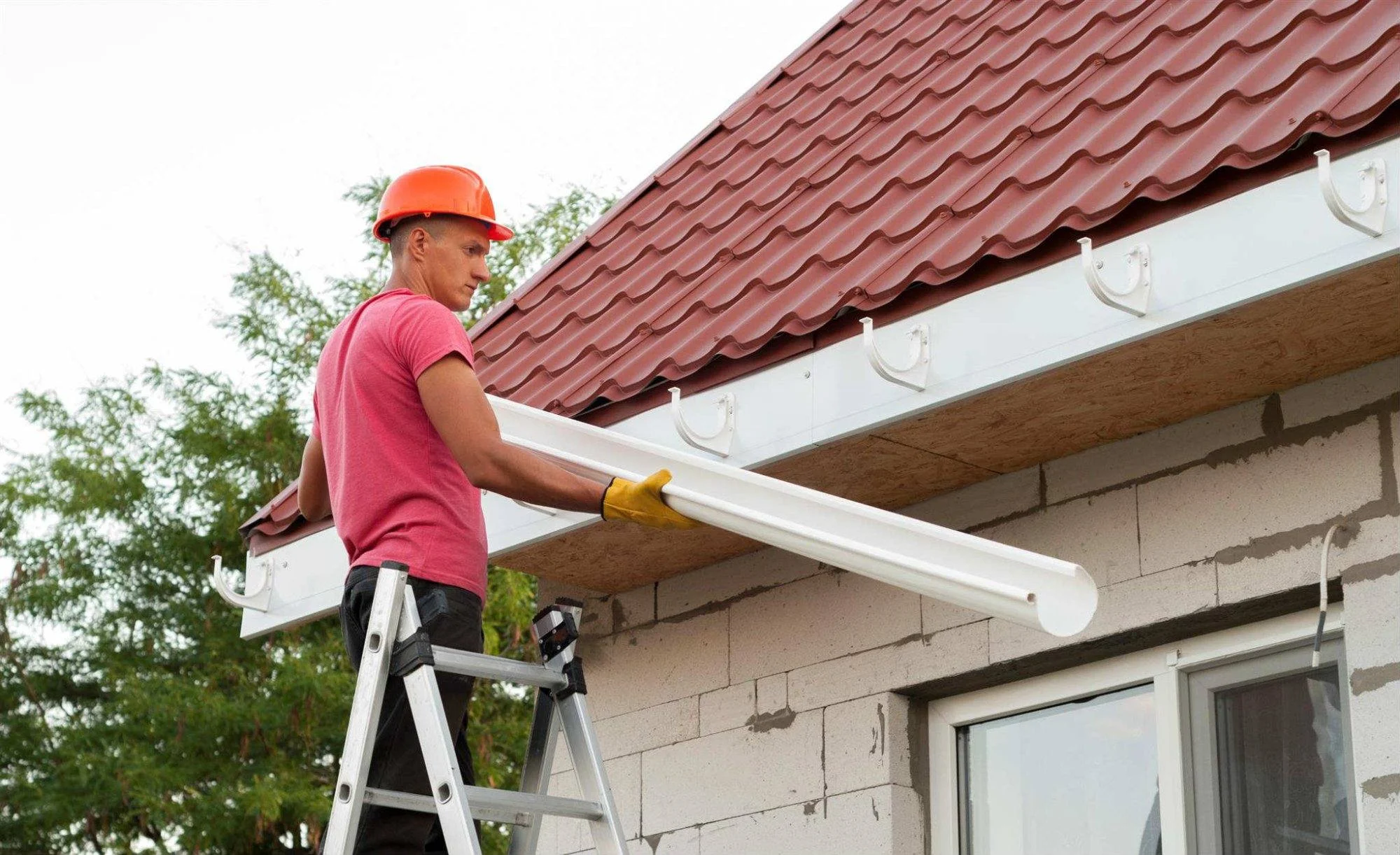
Planning gutter installation in Columbia, SC? Learn about seamless gutters, drainage, downspouts, sizing, maintenance, and smart ways to protect your home.
Why a Well-Planned Gutter System Matters
Gutters do more than collect rainwater along the edge of a roof. A properly planned system helps move water away from siding, landscaping, walkways, and the foundation so repeated rainfall does not create unnecessary moisture problems around the property. When gutters are undersized, poorly sloped, clogged, loose, or missing in important areas, water can overflow where it should be controlled.
WW Gutters provides residential and commercial gutter installation, repair, cleaning, and troubleshooting services in Columbia and surrounding South Carolina communities. The company also installs custom seamless gutter systems designed around the dimensions of each property.
Signs Your Existing Gutters May Need Attention
Some gutter problems are easy to recognize, while others develop gradually. A section may still appear attached to the house even though its slope no longer directs water correctly.
Common warning signs include:
- Water overflowing during ordinary rainfall
- Gutters pulling away from the fascia
- Visible cracks, holes, or separated joints
- Sagging sections that hold standing water
- Downspouts that frequently clog
- Water spilling behind the gutter
- Soil erosion beneath roof edges
- Staining on siding or fascia
- Pools of water near the foundation
- Repeated repairs in several sections
One small leak may only require repair. Widespread deterioration, repeated separation, or a system that no longer handles roof runoff effectively can make replacement worth evaluating.
The goal is to identify why the system is failing before choosing the next step. Replacing one damaged section will not solve an incorrect pitch or insufficient downspout capacity elsewhere.
How Seamless Gutter Installation Works
Professional seamless gutter installation uses continuous gutter sections formed to suit the measurements of the building. Because long runs contain fewer joints than traditional sectional systems, there are fewer connection points along those runs where separation or leakage can develop.
Installation typically begins with measuring roof edges and reviewing where water naturally leaves the roof. The contractor can then determine suitable gutter runs, downspout locations, outlets, corners, and termination points.
The condition of the fascia should also be checked before fastening new gutters. Secure attachment depends on a sound mounting surface. If wood or another supporting material is deteriorated, covering the problem with a new gutter can leave the installation without dependable support.
Once the system is installed, water should have a clear route from the roof into the gutters, through the downspouts, and away from areas where discharge could create new problems.
Why Gutter Pitch Is Important
Gutters may look level from the ground, but they require a controlled slope toward their outlets. Without enough pitch, water can remain in the trough after rain. Too much slope can create an uneven appearance and may not improve performance.
Standing water can add weight to the system and collect debris. Over time, that can contribute to sagging or make small drainage problems more noticeable.
Pitch needs to work with gutter length and downspout placement. A long roofline may require more than one drainage point depending on the layout and expected runoff.
This is one reason professional installation involves more than fastening a straight piece of metal beneath the roof edge. The system has to move water predictably from beginning to end.
Downspout Placement Affects the Entire System
Downspouts are the exit points for water collected by the gutters. Even well-installed gutters can overflow when downspouts are too few, poorly located, blocked, or unable to move water efficiently.
Important planning factors include roof size, gutter length, valleys, corners, and the amount of water concentrated in certain areas. Large roof sections or valleys can direct considerable runoff into a limited portion of the system.
Downspouts should also discharge in practical locations. Sending water directly onto a walkway, toward a building corner, or into an area that already drains poorly can move the problem rather than solve it.
Extensions or other drainage solutions may be appropriate when water needs to travel farther from the building. The final plan should consider what happens after water leaves the downspout, not just how it reaches the ground.
Why Roof Valleys Need Extra Attention
Roof valleys collect runoff from two adjoining roof slopes. During heavy rain, they can deliver a concentrated stream of water toward one section of gutter.
If the gutter is too small, poorly positioned, or already carrying water from a large roof area, overflow may occur near the valley even when the rest of the system appears to work normally.
A contractor should identify these high-flow points before installation. The design may need adjustments to gutter size, downspout placement, or how water enters the trough.
Homeowners should also keep valleys free from visible debris when it can be done safely from appropriate access points. Leaves and twigs can change the path of water before it ever reaches the gutter.
Choosing the Right Gutter Size
Gutter size should match the property rather than being selected only by appearance. Roof area, slope, rainfall intensity, valley concentration, and drainage layout all affect how much water the system may need to handle.
A larger gutter is not automatically the correct answer. It still needs proper support, pitch, outlet capacity, and downspouts.
Likewise, an attractive smaller profile may not perform well if the roof sends more water than the system can manage.
The most useful approach is to evaluate the roof and design the gutter system around actual drainage needs. This avoids relying on a one-size-fits-all installation for properties with very different roof shapes.
How Fascia Condition Influences Installation
Gutters are commonly attached along the fascia or roof edge, so the condition of that mounting area matters.
Signs of deterioration can include soft wood, peeling paint, stains, loose boards, or previous fastener damage. If water has been spilling behind an old gutter for a long period, hidden deterioration may also be present.
New gutters should not be used to conceal a weak mounting surface. Any significant damage should be evaluated before installation so fasteners have appropriate support.
This step can also reveal whether the previous gutter system was allowing water behind the trough instead of directing it into the drainage path.
Protecting Siding, Landscaping, and Foundations
Gutters are part of a broader water-management system. Their job is not complete when water reaches the downspout.
Uncontrolled roof runoff can splash against siding, wash mulch from planting beds, create channels in soil, and leave water collecting near the building. Over time, repeated saturation around low areas can become a maintenance concern.
Homeowners considering gutter installation in Columbia, SC should think about roof drainage and ground drainage together. Columbia is listed among the company’s service areas.
Observe the property during rainfall when it is safe to do so. Notice where water currently pools, where soil washes away, and whether existing downspouts discharge toward or away from the building. These observations can help improve the new layout.
When Gutter Repair May Be Enough
Replacement is not necessary for every gutter problem.
A repair may make sense when damage is limited, most of the system remains secure, and the existing layout still handles water properly. Examples may include a loose fastener, one leaking corner, a short damaged section, or a downspout connection that has separated.
Repair becomes less attractive when multiple sections sag, joints repeatedly fail, corrosion or damage is widespread, or the original system was poorly designed.
Homeowners should compare the condition of the entire system rather than repairing each new problem without considering whether failures are becoming a pattern.
New Gutters for Older Homes
Older homes can present installation challenges because roof edges, fascia, previous repairs, additions, and drainage paths may have changed over time.
Measurements should be taken from the actual building rather than assuming every roofline is straight or identical to its original design.
Previous gutters may also have left fastener holes or hidden water damage. These conditions should be reviewed before the new system is attached.
For homeowners considering gutter installation in Lexington, SC, a property-specific evaluation can help determine whether new seamless gutters should follow the previous layout or whether downspout locations and drainage routes should be improved. Lexington is also listed as a service area on the site.
Maintenance Starts After Installation
New gutters still require routine attention. Leaves, pine needles, roofing debris, seed pods, and other material can collect over time.
Homeowners should periodically check for visible debris, overflowing sections, loose fasteners, disconnected downspouts, or standing water. Gutters may need cleaning more often when trees overhang the roof.
After strong storms, inspect the system from the ground for obvious movement or damage. Avoid climbing onto steep, wet, or unstable roofs to perform inspections.
Downspout outlets should also remain clear. A clean gutter cannot drain properly when the exit is blocked.
Why Gutter Cleaning Supports Long-Term Performance
Debris reduces the open area available for water and can obstruct outlets. When rainfall arrives faster than a clogged gutter can drain, overflow occurs.
Cleaning helps preserve the drainage path and also provides an opportunity to notice other problems. Sagging sections, loose brackets, separated corners, or damaged downspouts can be easier to see once debris is removed.
What to Ask Before Hiring a Gutter Installer
A clear proposal should explain more than the total length of gutter being installed.
Useful questions include:
- What gutter size is recommended for the roof?
- Where will downspouts be located?
- How will roof valleys be handled?
- Is the fascia suitable for installation?
- Where will downspouts discharge?
- Will old gutters be removed?
- How are corners and outlets formed?
- What maintenance will the system require?
- How will landscaping and exterior surfaces be protected?
- What happens if hidden fascia damage is discovered?
The answers help homeowners understand whether the installer has considered the complete drainage path.
When Should You Schedule a Gutter Evaluation?
Professional evaluation can be useful when gutters overflow, sag, leak repeatedly, separate from the house, or fail to move water away effectively.
A professional review does not automatically mean the entire system needs replacement. Its purpose is to identify what is causing the problem and whether cleaning, repair, troubleshooting, or new installation is the most practical response.
Conclusion
A dependable gutter system begins with more than attractive seamless sections. Roof area, valleys, gutter size, pitch, fascia condition, downspout placement, discharge locations, and ground drainage all influence how effectively water moves away from the property.
Some problems can be corrected through cleaning or targeted repairs, while widespread damage or poor system design may make replacement more practical. Homeowners should evaluate the entire drainage path before deciding.
Professional installation can help create a system that fits the roof, directs water toward suitable outlets, and supports long-term property maintenance. After installation, routine cleaning and visual checks help keep gutters working as intended through changing seasons and repeated rainfall.
Frequently Asked Questions
What are seamless gutters?
Seamless gutters are formed in long continuous sections to fit the roofline, which reduces the number of joints along straight runs. Corners, outlets, and other necessary connections remain part of the system.
How do I know if I need new gutters?
Frequent overflow, widespread sagging, repeated leaks, loose sections, corrosion, or a drainage layout that no longer works effectively can justify evaluating replacement. Localized problems may still be repairable.
Why do my gutters overflow during rain?
Overflow can result from clogs, insufficient pitch, limited downspout capacity, undersized gutters, or concentrated runoff from roof valleys. The correct solution depends on the actual cause.
How important are downspouts?
Downspouts are essential because they carry collected roof water out of the gutter system. Their number, placement, size, and discharge locations all affect overall drainage performance.
Do new gutters still need cleaning?
Yes. Leaves, needles, seeds, and other debris can collect in any open gutter system. Periodic cleaning and inspection help maintain water flow and reveal developing problems.
When should I call a professional gutter contractor?
Schedule an evaluation when gutters repeatedly overflow, sag, leak, pull away from the fascia, create drainage problems near the property, or need frequent repairs in multiple areas.


