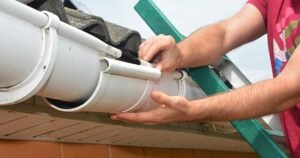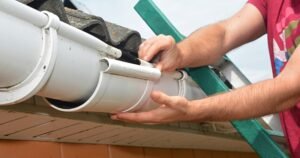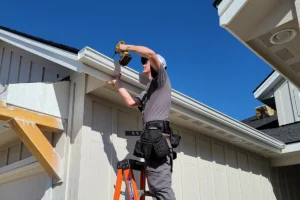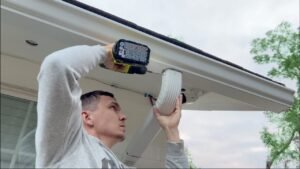
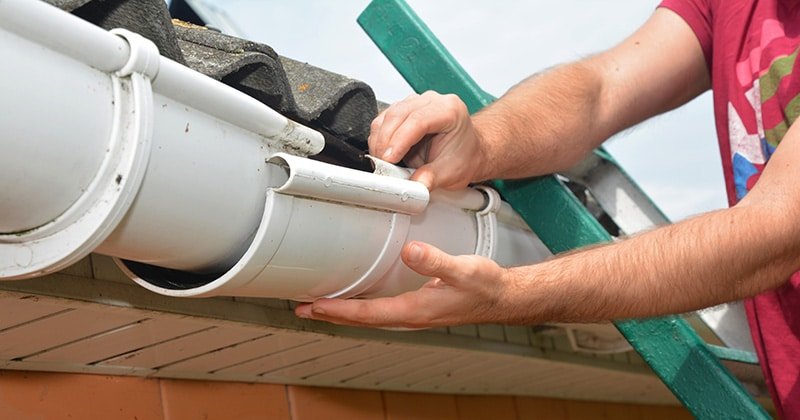
Gutter Repair in Lexington, SC can fix leaks, sagging sections, loose fasteners, drainage issues, downspout problems, and recurring overflow issues safely.
A leaking or sagging gutter can look like a minor exterior problem until rainwater starts running down siding, collecting near landscaping, or pooling beside the foundation. Small gaps at seams, loose brackets, damaged sections, and restricted downspouts can all interfere with the way a gutter system carries water away from a building. WW Gutters provides residential and commercial gutter services throughout Columbia and surrounding South Carolina communities.
The starting point for an effective repair is to identify what caused the problem in the first place. For example, when water overflows from only one section, the gutter may be clogged. The gutter might also pull away from the fascia board because of loose fasteners or extra weight. A leak at one corner of the gutter requires a different response from a long section that holds standing water after a storm. To avoid repeating the same repairs without correcting the underlying cause, property owners need to examine the complete drainage path.
Identify the Exact Gutter Problem First
The company’s dedicated Gutter Repair service addresses damaged sections, leaks, sagging gutters, loose fasteners, drainage problems, and other conditions that can reduce system performance.
Before calling a plumber, homeowners should note when the problem appears. Does water leak during every rainfall, or only during heavy storms? Does water overflow at one corner while the rest of the gutter system drains normally? Does a particular section remain full of water even after the rain stops?
These details can help distinguish a clog from an alignment, connection, or downspout problem.
A complete inspection should also consider the condition of joints, brackets, outlets, and visible sections of the fascia. Repairing only one aspect of a problem may leave another weak point that could cause issues in the future.
Fix Leaking Seams Before Water Spreads
Sectional connections, corners, outlets, and previous repair areas can develop leaks over time.
Water may drip directly from a failed joint, but it can also leave this vulnerable spot and travel along the underside of the gutter before falling somewhere else. This can make the gutter leak seem farther away from its actual source.
Homeowners should not assume that a visible drip marks the exact failure point.
A proper repair may require cleaning the area, checking the connection, examining movement between sections, and determining whether sealing or component replacement is appropriate.
Repeated leaks at the same seam can also indicate that the connected sections are moving or holding water improperly rather than simply needing another layer of sealant.
Correct Sagging Sections Before They Worsen
A sagging gutter can collect standing water instead of directing it toward a downspout.
The added weight of water, leaves, and debris can increase stress on brackets and fasteners. Over time, the section may pull farther away from the roof edge or lose even more of its intended slope.
Homeowners arranging gutter repair in Lexington, SC should pay attention to low sections that remain wet after surrounding gutters have drained.
The problem may involve loose hardware, poor alignment, accumulated debris, or another condition affecting the support system.
Simply lifting the gutter back into position without determining why it sagged may result in the same problem returning.
Check the Slope Toward Each Downspout
Gutters are designed with a slight pitch that allows water to move toward the outlet.
When sections shift, the slope can change. Water may then remain in the middle of a run or move toward the wrong direction.
Standing water is a useful warning sign because it shows that the system is not draining completely.
The amount of adjustment needed depends on the existing installation and gutter length. The goal is not to create an obvious steep angle but to restore an effective drainage path.
Slope problems can be easy to overlook from the ground, which is why recurring overflow may continue even after a gutter has been cleaned.
Clear Downspout Restrictions During Repair
A gutter may appear damaged when the real problem is lower in the drainage system.
Leaves and compacted debris can collect at the outlet, inside elbows, or farther down a downspout. When water cannot leave quickly enough, it backs up into the gutter and spills over.
A repair visit should therefore include checking whether the downspout can carry water from top to bottom.
Bent or crushed sections may also restrict flow.
Once water exits the downspout, it should continue moving away from the property rather than collecting beside the foundation. A clear gutter channel alone cannot provide effective drainage when the discharge point creates another water problem.
Look for Loose Fasteners and Brackets
Fasteners and hangers help keep a gutter aligned with the roof edge.
When they loosen, sections can pull away, twist, or develop low spots. The movement may also create gaps at seams or corners.
Homeowners may first notice a visible gap between the gutter and fascia or see the system moving during heavy rain.
Repair should consider whether the existing mounting points remain suitable, as repeatedly tightening hardware into deteriorated material may not provide a lasting solution.
The surrounding fascia should be checked where practical, as water exposure or previous gutter movement can affect the mounting surface.
Watch for Damage After Strong Storms
Heavy rain and wind can expose weak gutter sections.
Branches may strike the system, debris can rapidly accumulate, and large volumes of water can reveal drainage problems that were not obvious during lighter rainfall.
After a storm, homeowners can safely inspect the property from ground level for sagging sections, detached downspouts, overflowing corners, or water stains.
Avoid climbing onto a wet roof or using an unstable ladder to examine damage.
If one section suddenly behaves differently after a storm, mention that timing during service. It may help identify whether the problem involves impact, debris, alignment, or another weather-related change.
Repair Downspout Connections That Pull Apart
Downspouts have several connections, particularly around elbows and changes in direction.
A disconnected joint can release water against the siding or directly beside the building instead of carrying it to the intended discharge area. When a downspout is disconnected or directed away from the building, the water should be properly conveyed to the appropriate discharge area.
These failures may be especially noticeable during heavy rain, when a large amount of water moves through the system.
The connection should remain secure without creating a restriction.
Property owners should also inspect the lower section of the downspout for accidental damage caused by lawn equipment, vehicles, or landscaping work.
When the gutter system around the downspout is in good condition, restoring the connection is a relatively straightforward repair.
Do Not Ignore Water Marks on Siding
Staining beneath gutters can provide useful information.
Dark streaks, water marks, damaged paint, or repeated wet areas may indicate that water is escaping from the system in the same location during rain.
The source might be an overflowing gutter, leaking seam, damaged end cap, or water moving behind the gutter.
These exterior signs should be considered alongside what happens inside the channel.
Cleaning the siding without correcting the drainage problem may only remove the evidence temporarily.
When marks return after storms, the gutter and roof-edge area deserve closer inspection.
Know When Repair Is Better Than Replacement
A damaged gutter does not always require a completely new system.
Localized seam problems, loose hardware, isolated damage, or one poorly draining section may be repairable when the rest of the system remains stable.
Replacement becomes more worth considering when deterioration appears across several runs, sections repeatedly detach, extensive corrosion is present, or repair problems continue returning.
The decision should be based on the overall condition rather than one visible defect.
WW Gutters provides both repair and installation services, allowing the existing system to be evaluated before a larger replacement is recommended.
A focused repair makes sense when it can restore proper drainage without leaving widespread failures unresolved.
Keep Landscaping From Hiding Drainage Problems
Shrubs and other landscaping can make lower downspout sections difficult to see.
Overgrown plants may also hide pooling water, damaged extensions, or disconnected components near the ground.
Property owners should keep enough access around discharge areas to observe how water leaves the system.
This is especially useful after a repair because homeowners can confirm that runoff is moving away rather than collecting under dense landscaping.
Poor ground drainage is not necessarily a gutter defect, but the two systems need to work together.
Water should have a clear route from the roof to a suitable area away from the structure.
Inspect Chapin Gutters for Repeat Trouble Spots
A repaired gutter system should continue to be observed during future storms.
For homeowners needing gutter repair services in Chapin, SC, sections that previously leaked or sagged deserve additional attention after the next heavy rainfall.
Check whether water now reaches the downspout properly and whether repaired areas remain aligned.
If the same symptom returns quickly, another underlying issue may still be present.
Repeated problems can point to slope, capacity, roof runoff concentration, support, or drainage concerns beyond the original repair area.
Monitoring the system after service provides useful confirmation that the correction addressed the actual problem.
Maintain Gutters After Repairs Are Complete
Repairing damage does not eliminate the need for regular gutter care.
Leaves, straw, and other materials can collect again and place unnecessary stress on repaired sections. Even when the gutter channels look relatively clean, the downspouts can become blocked.
Homeowners should periodically check for overflow, loose sections, leaking joints, and shifts in alignment.
Properties with nearby trees may require more frequent roof inspections, depending on how much debris reaches the roof.
Routine observation can make it easier to identify a small issue before it becomes a major drainage problem.
Conclusion
Gutter repair can correct leaks, sagging sections, loose fasteners, downspout problems, alignment issues, and other conditions that interfere with proper rainwater drainage. The strongest repair begins by identifying why the system failed rather than covering the most visible symptom.
In Lexington, Kentucky, homeowners dealing with recurring gutter overflows should consider the slope, debris, seams, brackets, and downspout condition before replacing the entire system. In Chapin, South Carolina, the same inspection-first approach can help property owners distinguish isolated damage from the gradual deterioration of the entire system.
WW Gutters provides repair, installation, cleaning, and diagnostic services for residential and commercial gutter systems. Addressing damaged sections early and maintaining the system after repairs can help keep rainwater moving away from the property instead of spilling onto the siding, landscaping, and foundation areas.
Frequently Asked Questions
What problems can Gutter Repair address?
Repairs may address leaks, loose fasteners, sagging sections, damaged components, downspout problems, alignment concerns, and other issues that interfere with proper drainage.
Why does my gutter still overflow after it was cleaned?
The problem may involve incorrect slope, a hidden downspout restriction, a low section, concentrated roof runoff, or another drainage issue beyond visible debris.
Can a sagging gutter be repaired?
Some sagging sections can be corrected when the gutter and supporting materials remain in suitable condition. The cause of the sagging should be identified before the section is simply repositioned.
When should gutters be replaced instead of repaired?
Replacement may make more sense when deterioration is widespread, several sections repeatedly fail, the system has extensive damage, or frequent repairs no longer restore reliable drainage.
Why is water leaking behind my gutter?
Possible causes include improper alignment, roof-edge or flashing conditions, loose mounting, damaged components, or water bypassing the intended channel. The exact source should be inspected.
How can I reduce the chance of another gutter repair?
Keep gutters and downspouts clear, watch for changes after storms, address loose sections early, maintain proper discharge away from the property, and periodically inspect previous repair areas.