
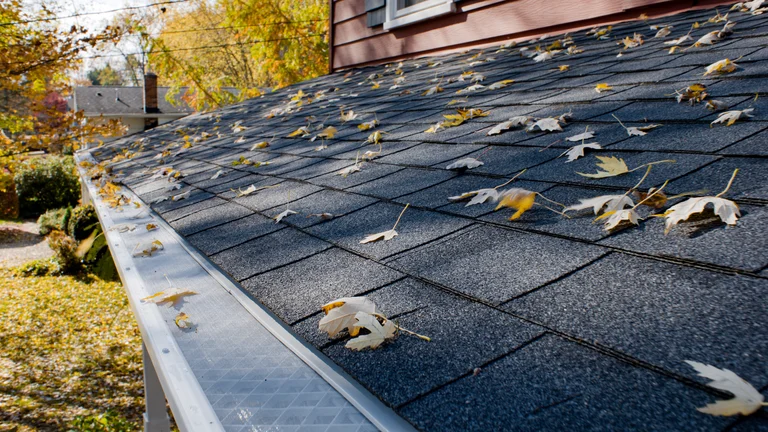
Learn an Affordable new gutter installed in Lexington, SC costs, leaf guard types, and how to choose a contractor in Lexington, SC. Get practical guidance for your gutter project.
Your gutters protect your home from water damage, but only when they are clear. In Lexington, South Carolina — a growing community in Lexington County — pine trees, oak leaves, and seasonal pollen create constant gutter-clogging pressure. When gutters back up, water overflows into your foundation, rots your fascia boards, and damages your landscaping. Cleaning gutters twice a year is a hassle. Ignoring them is expensive.
A new gutter installed with leaf guard protection solves both problems. Leaf guards block debris while allowing water to flow through, which cuts maintenance and extends gutter life. According to industry data, the average home spends $150 to $300 annually on gutter cleaning. Quality leaf guard systems pay for themselves within 5 to 10 years while protecting your home from foundation damage that can cost $3,000 to $15,000 to repair.
Lexington sits in the Midlands region with hot, humid summers and mild winters. Annual rainfall averages 46 inches, with spring and summer storms delivering heavy downpours that test any gutter system. If your gutters are sagging, leaking, or constantly clogged, a new install with integrated leaf protection is worth serious consideration. Top new gutter installed in Lexington, SC
So what leaf guard options work best in our area? How much should you budget? And what does the installation process look like? We will walk you through everything.
Leaf Guard Types, Materials, and What Works in Lexington
Micro-Mesh Systems
Micro-mesh gutter guards use surgical-grade stainless steel screens with openings smaller than 50 microns. They block 99 percent of debris, including pine needles, shingle grit, and pollen. In Lexington, where pine trees are common and pollen coats everything in spring, this is the most effective option.
Micro-mesh systems cost $15 to $30 per linear foot installed and last 20 to 25 years. The downside: they require professional installation and cost more upfront than basic alternatives. Water flow can also be reduced during the heaviest downpours if the mesh gets coated with fine debris.
Reverse Curve (Surface Tension) Guards
Reverse curve guards use a curved cover that channels water into the gutter while deflecting leaves and twigs. LeafGuard is the best-known brand, costing $22 to $38 per linear foot for a complete one-piece gutter and guard system.
These systems perform well in heavy rain and handle large debris effectively. The curved design is visible from the ground, which some homeowners dislike. They also struggle with low-slope roofs where water moves slowly. In Lexington, where many homes have standard pitched roofs, this is less of a concern.
Screen and Mesh Guards
Screen guards use larger openings — typically 1/8 to 1/4 inch — and cost $4 to $8 per linear foot. They block leaves and twigs but let pine needles, seeds, and shingle grit through. In Lexington’s pine-heavy environment, screens need cleaning several times a year to stay effective.
Mesh guards step up filtration with smaller holes and stronger materials like aluminum or stainless steel. They cost $8 to $15 per linear foot and last 10 to 20 years. They are a middle-ground option for homes with moderate tree coverage.Trusted new gutter installed in Lexington, SC
Foam and Brush Inserts
Foam inserts sit inside gutters and filter water through porous blocks. They cost $2 to $4 per linear foot and are easy to install yourself. The problem: they degrade quickly in humid climates, trap moisture, and become a breeding ground for mold and mosquitoes. In Lexington’s sticky summers, foam is not a practical long-term solution.
Brush guards use cylinder-shaped bristles that catch debris while water flows through. They cost $3 to $6 per linear foot and last 3 to 5 years. Like foam, they require frequent cleaning and do not handle fine debris well.
Material Durability in South Carolina’s Climate
Aluminum guards resist corrosion and perform well in most climates, lasting 10 to 20 years. Stainless steel offers the highest durability at 20+ years and resists rust even under extreme weather. Plastic and uPVC options cost less but can warp or crack in extreme heat — a real concern during Lexington’s 95-degree summer days.
The New Gutter Install Process: What a Contractor Actually Does
A professional new gutter installed with leaf guard in Lexington follows a clear sequence. Skipping steps leads to poor drainage, premature failure, and wasted money. Here is what happens when a qualified contractor takes on your project.
Step one: assessment and measurement.
The contractor examines your roofline, measures linear footage, counts corners and downspouts, and evaluates fascia board condition. They check for rot, improper pitch, and inadequate downspout placement. This phase takes 30 to 60 minutes.
Step two: material selection.
You choose gutter size, material, and leaf guard type. Most Lexington homes need 5-inch or 6-inch K-style aluminum gutters. Six-inch gutters handle 40 percent more water, which matters during our summer thunderstorms.
Step three: old gutter removal.
The crew removes existing gutters, inspects fascia boards for hidden rot, and repairs or replaces damaged wood. This step is critical — installing new gutters on rotted fascia guarantees failure within a year.
Step four: seamless gutter fabrication.
The contractor brings a gutter machine to your property and forms seamless aluminum gutters on-site to exact lengths. Seamless gutters have no joints, which eliminates the leaks common in sectional systems.
Step five: installation and pitch.
The crew hangs gutters with hidden hangers spaced every 24 to 36 inches. They pitch gutters 1/4 inch per 10 feet toward downspouts to ensure proper drainage. Downspouts get secured with straps and directed away from your foundation. Right new gutter installed in Lexington, SC
Step six: leaf guard integration.
Micro-mesh or reverse curve guards get installed over the gutter trough. The contractor ensures proper overlap, secure fastening, and no gaps where debris can enter. For integrated systems like LeafGuard, the guard and gutter are formed as one piece.
Step seven: testing and cleanup.
The crew runs water through the system to check flow, checks all connections for leaks, and cleans the work area. They haul away old gutters and debris.
Step eight: final walkthrough.
The contractor reviews the installation with you, explains maintenance expectations, and provides warranty documentation.
A typical Lexington home takes 1 to 2 days to complete. Larger homes or those needing fascia repair may take 3 days.
What New Gutter Install with Leaf Guard Costs in Lexington
Lexington County pricing aligns with the broader Columbia metro market. South Carolina gutter costs run slightly below the national average, with vinyl gutters at $4.15 per linear foot and copper at $27.33 per linear foot..
A licensed contractor in the Lexington area notes that many homeowners underestimate their linear footage. “Most people guess 100 to 120 feet. Real homes average 150 to 200 feet. That difference changes your budget by $1,000 or more. Measuring accurately upfront prevents sticker shock later.”
How to Choose the Right Gutter Contractor in Lexington
Not every handyman with a ladder can install gutters correctly. Poor pitch, inadequate hangers, and improper downspout placement cause more problems than they solve. Here is how to find a qualified contractor in Lexington. Expert new gutter installed in Lexington, SC
Verify South Carolina licensing.
While South Carolina does not require a state-level license for gutter work, reputable contractors carry general liability insurance and workers’ compensation. Ask for proof. If a worker falls from your roof and the contractor lacks coverage, you could be liable.
Confirm leaf guard experience.
Ask how many leaf guard systems the contractor has installed in the last year. They should discuss micro-mesh vs. reverse curve, gutter sizing for rainfall volume, and how Lexington’s pine needles affect different guard types. If they only offer basic screens, they may not have the expertise you need.
Check permit knowledge.
Lexington County does not require permits for gutter installation. However, if your project involves structural fascia repair or changes to roof drainage patterns, a building permit may be needed. A knowledgeable contractor will clarify this before work begins.
Request a detailed written estimate.
The quote should itemize gutter length, material, guard type, downspout count, fascia repair, and cleanup. Vague estimates that say “gutters and guards: $4,000” hide surprises.
Look for local specialization.
A contractor who focuses on gutter installation and leaf guard work in Lexington — like WW Gutters — will have sourced materials that handle Midlands rainfall, worked with local suppliers on color matching, and carried the trade-specific insurance that general handymen often skip. This local focus prevents the pitch and drainage mistakes that cause overflow during Columbia’s summer storms.
FAQ
How much does a new gutter install with leaf guard cost in Lexington?
A complete system for a typical home costs $3,450 to $6,750 for seamless aluminum gutters with micro-mesh leaf guard. LeafGuard integrated systems run $3,300 to $5,700. Costs depend on linear footage, roof complexity, and fascia condition.
Do I need a permit to install gutters in Lexington County?
No. Lexington County does not require permits for gutter installation. Structural fascia repairs or drainage pattern changes may need a building permit, which your contractor should clarify.
What is the best leaf guard for pine needles in Lexington?
Micro-mesh systems with stainless steel screens are the only option that effectively blocks pine needles. Openings smaller than 50 microns prevent needles from entering while allowing water through.
How long do leaf guard gutters last in South Carolina?
Quality aluminum or stainless steel leaf guard systems last 20 to 25 years. Foam and brush inserts last 2 to 5 years and are not recommended for our humid climate.
How often do leaf guard gutters need cleaning?
Micro-mesh guards need surface brushing 1 to 2 times per year. Reverse curve systems need minimal maintenance — an occasional rinse. Screen guards require cleaning 2 to 3 times per year in Lexington’s tree-heavy environment.
What size gutters do I need for Lexington’s rainfall?
Most homes need 5-inch K-style gutters. Homes with large roof areas or heavy tree coverage benefit from 6-inch gutters, which handle 40 percent more water. Your contractor should calculate based on your roof’s square footage and local rainfall intensity.
Can I install leaf guards on my existing gutters?
Yes, if your existing gutters are in good condition with no sagging, leaks, or rot. Add-on micro-mesh or screen guards installed on existing 5-inch or 6-inch gutters. Integrated systems like LeafGuard require complete gutter replacement.
What gutter material works best in Lexington’s climate?
Aluminum is the standard choice — affordable, rust-resistant, and available in many colors. Stainless steel offers superior durability for leaf guard screens. Copper is premium but costs $25 to $40 per linear foot.
How long does a new gutter install take?
Most residential installations take 1 to 2 days. Homes needing fascia repair or with complex rooflines may take 3 days.
Will leaf guards prevent ice dams in winter?
Leaf guards alone do not prevent ice dams. Ice dams form from poor attic ventilation and insulation. However, clean gutters reduce the ice buildup that contributes to dam formation.
What is the return on investment for leaf guard gutters?
The average home spends $150 to $300 per year on gutter cleaning. A $4,000 leaf guard system pays for itself in 5 to 10 years. It also prevents foundation damage, fascia rot, and landscape erosion that cost far more to repair.
How do I choose between micro-mesh and reverse curve guards?
Choose micro-mesh if you have pine trees, fine debris, or want the best filtration. Choose a reverse curve if you have large deciduous trees, heavy rainfall, and prefer a low-profile look.
Conclusion
Clogged gutters are a problem that gets worse every season. In Lexington, where pine needles, oak leaves, and heavy rainfall create constant pressure, a new gutter installed with quality leaf protection saves you time, money, and risk. Start with an accurate measurement of your linear footage, choose a guard type that matches your tree coverage, and hire a contractor who understands Midlands drainage needs.
If you want a local team that knows Lexington County’s rainfall patterns, which leaf guard materials survive South Carolina humidity, and how to pitch gutters for our summer storms, WW Gutters can assess your home, recommend the right system, and provide a detailed estimate without pressure. A well-protected home starts with the right conversation.


